Some of you may know that I work as a bread baker here in Olympia but that does not stop me from making bread at home every chance I get. Even though the 50 pound loaves make my small home made loaves seem a little silly I still find joy in fresh bread made in the comfort of my own home.
France is a country known for its bread, the bread itself is about as popular as, well, as popular as any bread could ever become. In France bread is more than just something that is processed, packaged and sold. It is truly a way of life, a way of indulging and appreciating some of the finer things that life has to offer. Bread is what holds this country together, more than a food it is a tradition. The measurements and temperatures must be exact, the crumb and the crust must hold up to certain standards. Bread making is even guarded by laws that cover everything from the ingredients to the price of a loaf. After all no Frenchmen should have to go a day with out bread. That would just be a nightmare.
Here in America I do not believe that people have the same understanding behind a loaf of bread. Here it is just a vehicle for jam, butter, chili, you name it, and we put it on a slice of bread. However, there is more behind a loaf than just a quick bit to eat and this week I want to introduce all of you to the simplicity and serenity one can find in baking and enjoying a loaf of home made bread or even just good bread. Bread that could be bought on any street corner in France but here in the United States it is a little harder to find. We are not privileged enough to all have a local baker who we know by name and can be expecting us daily to pick up our fresh baked loaf of bread. Here we have to make some small sacrifices to get a similar experience.
I am not saying that we do not have great local bakers in the United States they are just more difficult to come by!
One of the sacrifices we can all kiss good bye to this week is the convenience of a nice loaf of Wonder Bread, because really there is nothing very wonderful about it.
The other is simply time. Giving up a little time to get your hands dirty, your apron floury, and your kitchen messy. To be able to allow time to pass as the bread rises knowing that at the end you will be able to enjoy this bread and the work you put into it and be thankful that this is one delicious thing you made with no help at all from a bread machine.
Now get ready for some bread baking fun, I know I am ready!
This week I will be reading:
Bread of Three Rivers: The Story of a French Loaf by Sara Mansfield Taber
The Village Baker by Joe Ortiz
And as you should know by now my three standbys
The Food of France by Waverly Root
The Food of France by Sarah Woodward
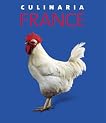
Culinaria FRANCE edited by Andre Domine
Lets hope that there is some good information about bread out there for me to find!
Monday, March 1, 2010

Sunday, February 28, 2010
Provence: cupcakes
I know what you’re thinking... cupcakes are not really a Provencal classic but I decided that I wanted to spice things up a bit and do something different.
I was inspired by a by Calissons d'Aix and the lavender fields.
Calissons d'Aix are the most classic cookie of Provence, however making them at home seems near impossible. They are made of almonds and candied fruit with a rice paper base and a simple hard white frosting. The melon and almond with a little sugar are melted together then they must sit for 72 hours before frosting them. They are shaped like little lemons and are often sold in a tin that shares their shape. Because I could not find a good recipe to replicate these treats I took the flavor of a sweet orange/melon and tried to transform that into a cupcake with a little touch of almond.
As for the frosting I could not resist incorporating the beautiful fields of flavor and color into this week. It was key to transform lavender into a sweet garnish for the flavorful and moist cupcakes.
cupcake ingredients:
1/2 cup orange yogurt
2/3 cup vanilla almond milk
1/4 cup apricot apple sauce
2 heaping TBS marmalade
3 TBS oil
3/4 cup sugar
2 tsp vanilla
11/4 cup flour
2 TBS cornstarch
3/4 tsp baking powder
1/2 tsp baking soda
1/4 tsp salt
Lavender butter cream:
1 stick butter
2 TBS marmalade
1 TBS almond milk
1/2 tsp vanilla
1 to 2 cups powdered sugar


I was inspired by a by Calissons d'Aix and the lavender fields.
Calissons d'Aix are the most classic cookie of Provence, however making them at home seems near impossible. They are made of almonds and candied fruit with a rice paper base and a simple hard white frosting. The melon and almond with a little sugar are melted together then they must sit for 72 hours before frosting them. They are shaped like little lemons and are often sold in a tin that shares their shape. Because I could not find a good recipe to replicate these treats I took the flavor of a sweet orange/melon and tried to transform that into a cupcake with a little touch of almond.
As for the frosting I could not resist incorporating the beautiful fields of flavor and color into this week. It was key to transform lavender into a sweet garnish for the flavorful and moist cupcakes.
cupcake ingredients:
1/2 cup orange yogurt
2/3 cup vanilla almond milk
1/4 cup apricot apple sauce
2 heaping TBS marmalade
3 TBS oil
3/4 cup sugar
2 tsp vanilla
11/4 cup flour
2 TBS cornstarch
3/4 tsp baking powder
1/2 tsp baking soda
1/4 tsp salt
Lavender butter cream:
1 stick butter
2 TBS marmalade
1 TBS almond milk
1/2 tsp vanilla
1 to 2 cups powdered sugar

Start by whisking together the first 7 ingredients, yogurt, milk, apple sauce, oil, sugar and vanilla.

Then add the dry ingredients to the top of the wet and mix them together before whisking them completly into the wet ingredients. Mix until the lumps are gone, but no longer.

Fill the cupcake tin and bake at 350 for about 20-25minutes
In the meantime...

Beat the butter until smooth then add the marmalade, milk and vanilla. Slowly add the powdered sugar a little at a time until the desire consitency is reached.

YUM!

When the cupcakes are finished pull them out of the oven and place on a cooling rack. Let the cupcake become cool to the touch before frosting.

Once frosted sprinkle with lavender.
Then eat all 12 in one sitting :)
Provence: stuffed tomatoes and zucchinis
These little treats can be served as a main dish or a side dish but however they are served they are a very classic Provencal dish. Like many dishes of this region it is filled with regional flavors of thyme and basil and made with classic produce of the region; tomatoes and zucchinis!
to start you will need:
3 small zucchinis
4 small vine tomatoes
1 cup quinoa
1 small red onion
12 oz of fake meat
1/2 cup parmesan
2 eggs
a hand full of torn basil leaves
black pepper
1/2 cup fresh bread crumbs


to start you will need:
3 small zucchinis
4 small vine tomatoes
1 cup quinoa
1 small red onion
12 oz of fake meat
1/2 cup parmesan
2 eggs
a hand full of torn basil leaves
black pepper
1/2 cup fresh bread crumbs

start by cooking the quinoa and onions together. until all the water as been absorbed and the quinoa is fully cooked.

it should look like this. Unlike rice you can stir quinoa a little while cooking which can be good.

put the zucchinis in salted water and bring to a boil. they should only be in the water for about 5-10 minutes or until tender, but do not over cook or they will just fall apart.

Then while the rice is cooling and the zucchini is simmering start to core the tomatoes.

This meat substitute is bought frozen so this will need to be thawed. Thaw by running it under hot water and then letting it sit in the hot water. Remember to keep it in the packaging while you do this!

Core out all the zucchinis by cutting them in half and removing the seeds.

then mix then cup of cooled quinoa and onion with the 12oz of the fake meat sausage, eggs and cheese. Mix together.

Don't forget pepper, basil and thyme!

it is now time to stuff the veggies

Stuff them all to the brim. I had left over stuffing which is why I suggest getting one more tomato.
Then sprinkle with bread crumbs. I literately just crumbled a slice of old white bread over pan.

Bake at 400 for about 30-40 minutes or until the bread crumbs are golden brown. However you don't want to forget about them, check every 15 minutes or so to make sure that nothing is burning.

I served it with a little left over polenta and sprinkled with a little more parmesan cheese and enjoyed it heavily!
Provence: Ratatouille
Ratatouille embodies the flavors of the south in many ways. The fresh produce of provence make this dish exceptional at the height of the summer months when tomatoes, eggplants and zuchinni are in abondance. It also takes the classic flavors of provence and brings them to life, smelling strongly of bay leaves and thyme.
This dish can easily be made large but in this case I made just enough for two people and I ate it with polenta (a Provencal favorite) instead of a classic meaty main course.
This dish is really best when in season but it still can be enjoyed year round.
Ingredients:
1/4 cup olive oil
1/4 IB oninons
1/4 IB eggplants
1/4 IB tomatoes
1/4 IB zucchini
1/2 head of garlic
Sea salt
2 bay leaves
3-4 spriges of fresh thyme
ground pepper
fresh basil


This dish can easily be made large but in this case I made just enough for two people and I ate it with polenta (a Provencal favorite) instead of a classic meaty main course.
This dish is really best when in season but it still can be enjoyed year round.
Ingredients:
1/4 cup olive oil
1/4 IB oninons
1/4 IB eggplants
1/4 IB tomatoes
1/4 IB zucchini
1/2 head of garlic
Sea salt
2 bay leaves
3-4 spriges of fresh thyme
ground pepper
fresh basil


Start by chopping up the onions and adding them to 1/2 the olive oil in a large pot. Simmer until soft but still pale, about 10 minutes on medium low heat.

Cut up the eggplant and tomatoes, fairly uniform in size.

add the tomatoes, garlic, eggplant and salt to the onions and raise the heat. Let them cook down for about 30 minutes and release most of there juices. I found that the veggies did not have very much liquid in them due to the season so i added a very small amount of water to help them release their juices.

After about a half an hour add the zucchinis.

Try to submerge them in the liquid so they can cook.

Then add the herbs, submerge them as well. Let this cook another 30 minutes, you want to zucchinis to be nice and tender so it may take a bit longer.

When the zucchinis are tender you will want to remove all the juices from this and put them into a sauce pan. The most effective way to do this is to place a colander over a pan and press out the juices, Then place the colander over a bowl so the juices can continue to separate from the vegetables.

Place the juices over medium heat and stir frequently. Adding whatever other juices are released into the bowl the colander is over. You want to reduce these juices into a glaze for the vegetables. It will become much deeper in color.

Because there was not much liquid it only took about 15minutes to reduce, thicken and darken in color. However if you are making a larger batch of this in the summer when the vegetables are juicer it could take up to an hour to effectively reduce the juices.

Warm up the polenta, you could make your own but I just bought the pre-made kinda which is still very good.

Remove the herbs from the ratatouille and put into the sauce pan and cover the vegetables in the glaze you just made.

Serve warm over the polenta. Drizzle with the remaining olive oil, sprinkle with pepper and garnish with basil.
Enjoy!
Off to Provence.
Provence has a very unique flavor profile in France. It is heavily influence by Italian and Mediterranean cooking which gives it flavors that set the cuisine apart from the rest of France. Provence is full of fresh flavors and produce. Unlike other parts of France Provence incorporates vegetables into almost every dish. Vegetables are even the main vocal point of some of the regions better known dishes like ratatouille or stuffed zucchinis and tomatoes. Provence is also known for the lavender fields that fill up the countryside and the beautiful coast along the Mediterranean Sea. Even if you do not know much about French cooking it is almost a guarantee that Provence has made it into your vocabulary with the ever famous "Herbs de Provence" that bring the best flavors of this region, lavender, savory, fennel, thyme and basil, to your spice cupboard. The sun influences this region and its food in the best imaginable way. I hope to be able to recreate some of these flavors even though it happens to be winter here in Olympia.
Because this region is so famous for its food there are a large number of books on the topic. Some of the books I will be reading are:
Provence the Beautiful Cookbook by Richard Olney
A year in Provence by Peter Mayle
As well as my staples:
The Food of France by Waverly Root
The Food of France by Sarah Woodward
Culinaria FRANCE edited by Andre Domine
Because this region is so famous for its food there are a large number of books on the topic. Some of the books I will be reading are:
Provence the Beautiful Cookbook by Richard Olney
A year in Provence by Peter Mayle
As well as my staples:
The Food of France by Waverly Root
The Food of France by Sarah Woodward
Culinaria FRANCE edited by Andre Domine
Alps: Fondue!
Nothing says "Alps" like a bubbling pot filled to the brim with fondue and piles of the most scrumptious bread around.
For those who remember Fondue made a huge splash in the US in the '60's of course I was not around for that memorable time period but I can fully understand why this beloved dish of France became so popular.
Now it is not hard to find a fondue pot or even a good fondue recipe. The real trick is to find authentic cheese that will not break the bank. But we have figured out that this is just a horrible struggle we must deal with everyday... or at least every time a French recipe must be duplicated.
Fondue is one of those hearty meals served in the Alps to fill you up after a day of cold exercise. In honor of this tradition I spent the day snowboarding and filled my belly up the brim with this cheesy concoction upon my arrival home.
Ingredients for 2:
1 IB cheese: Comte and emmental and regular Swiss (I did this to make cheese buying as cheep as possible but not sacrifice any of the flavor from the French varieties. Because each person requires about 1/2 IB of cheese I used 1/4 IB of Comte and Emmental and 1/2 IB of cheep American Swiss cheese)
1/2 tsp cornstarch
4oz kirsch
Garlic
1/3 bottle of dry white wine
Dipping Ingredients:
1 baguette (you want this to be slightly stale so if bought fresh leave out over night
1 cup of chopped up cauliflower
1 cup brussel sprouts (lightly cooked)
1 bunch of asparagus (lightly cooked)
Anything else you think would be good dipped in cheese... the options are pretty much endless. Just remember that you want to choose things that are less likely to fall off your spear and get lost in the cheesy abyss.


For those who remember Fondue made a huge splash in the US in the '60's of course I was not around for that memorable time period but I can fully understand why this beloved dish of France became so popular.
Now it is not hard to find a fondue pot or even a good fondue recipe. The real trick is to find authentic cheese that will not break the bank. But we have figured out that this is just a horrible struggle we must deal with everyday... or at least every time a French recipe must be duplicated.
Fondue is one of those hearty meals served in the Alps to fill you up after a day of cold exercise. In honor of this tradition I spent the day snowboarding and filled my belly up the brim with this cheesy concoction upon my arrival home.
Ingredients for 2:
1 IB cheese: Comte and emmental and regular Swiss (I did this to make cheese buying as cheep as possible but not sacrifice any of the flavor from the French varieties. Because each person requires about 1/2 IB of cheese I used 1/4 IB of Comte and Emmental and 1/2 IB of cheep American Swiss cheese)
1/2 tsp cornstarch
4oz kirsch
Garlic
1/3 bottle of dry white wine
Dipping Ingredients:
1 baguette (you want this to be slightly stale so if bought fresh leave out over night
1 cup of chopped up cauliflower
1 cup brussel sprouts (lightly cooked)
1 bunch of asparagus (lightly cooked)
Anything else you think would be good dipped in cheese... the options are pretty much endless. Just remember that you want to choose things that are less likely to fall off your spear and get lost in the cheesy abyss.


Start by chopping and washing the veggies. I like to keep my cauliflower raw so once they dry they are ready to be put on a plate.

Cook the brussel sprouts and asparagus in lightly salted water until they are just beginning to become tender. Remember to add the brussel sprouts first because they will talk longer.

While the veggies are simmering you can start to prep your cheese.
You will want to grate all of it so it might be a good time to pull out the food processor.

I forgot that I had a food processor so I called in some reinforcement.

Mix the Kirsch and the corn starch together, then set aside so the corn starch has time to dissolve.

Add all the cheese to a sauce pan along with the wine. Start with less wine and add a little more only if needed. If too much wine is added from the get-go it is harder to reach the right consistency.
Have the heat on low for now and mix often so that no cheese burns on the bottom of the pan.

While the cheese starts to melt go ahead and cut up the bread. I made slices and then chopped them into quarters. This made good sized chunks for dipping.

remember! do not forget about the fondue on the stove!

It should slowly start to melt. Now that your full concentration is on the cheese and wine add the chopped up garlic and turn up the heat. Be sure to stir constantly.

here you can tell I added too much wine in the heat of the moment. If this does happens you can just take some of the liquid out and keep on stirring.

Move to a whisk in the final moments to be sure the cheese and wine are happily married. Then when the mixture is all combined add the kirsch and cornstarch mixture and stir well until the Fondue begins to thicken. yum!

Light the sterno, or what ever form of heating your fondue pot takes and then move the fondue into the fondue pot.

Dip and enjoy away!
there are many different ways to make fondue, this is just the classic version from the Alps, if you are interested in crazy new age fondue look for a book of fondue recipes at the book store or just start going crazy!
Subscribe to:
Posts (Atom)